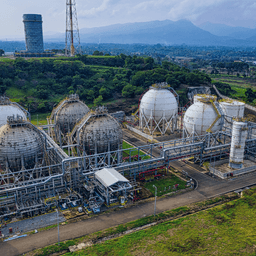
The Reservoir Simulation training course delivers a comprehensive and structured framework for understanding dynamic reservoir behavior through numerical modeling. It equips participants with the ability to translate geological and engineering data into reliable simulation models. The course emphasizes the role of simulation in forecasting production performance and supporting development planning. Participants gain clarity on model construction, calibration, and validation workflows. Strong focus is placed on uncertainty management and scenario evaluation. Practical insights connect model results to operational decision-making. The program highlights integration across disciplines to improve model realism. Analytical rigor and consistency are reinforced throughout the learning process. The course ultimately strengthens confidence in using simulation outcomes to guide field strategy.
The Reservoir Simulation course is designed to develop a solid understanding of how numerical models represent fluid flow in porous media. It defines the purpose and scope of simulation within reservoir engineering workflows. Participants are introduced to data preparation and model initialization concepts. The course explains how static descriptions evolve into dynamic predictive tools. Emphasis is placed on selecting appropriate modeling approaches for different reservoir types. The program addresses common modeling challenges and limitations. Interpretation of results is presented as a structured engineering activity. Operational relevance is maintained across all topics. The overall objective is to prepare professionals to apply simulation responsibly and effectively.
Participants will achieve the following objectives by the Reservoir Simulation course:
This Reservoir Simulation program targets a professional audience seeking to improve knowledge and skills:
This course is available in different durations: 1 week (intensive training), 2 weeks (moderate pace with additional practice sessions), or 3 weeks (a comprehensive learning experience). The course can be attended in person or online, depending on the trainee's preference.
This course is delivered by expert trainers worldwide, bringing global experience and best practices. Trainers possess extensive backgrounds in reservoir engineering and numerical modeling. Their experience covers a wide range of reservoir types and development stages. Instruction emphasizes practical application and disciplined engineering judgment. Participants benefit from industry-aligned insights and structured learning delivery.
1- Who should attend this course?
Professionals involved in reservoir engineering, production planning, and subsurface modeling activities.
2- What are the key benefits of this training?
Improved modeling confidence, better forecasting capability, and stronger decision support skills.
3- Do participants receive a certificate?
Yes, upon successful completion, all participants will receive a professional certification.
4- What language is the course delivered in?
English and Arabic.
5- Can I attend online?
Yes, you can attend in person, online, or in-house at your company.
The Reservoir Simulation course provides a disciplined approach to dynamic reservoir modeling. It enhances understanding of how models support engineering decisions. Participants gain practical skills applicable to real development challenges. The course strengthens integration between data, modeling, and planning. It represents a critical capability for modern reservoir management.