
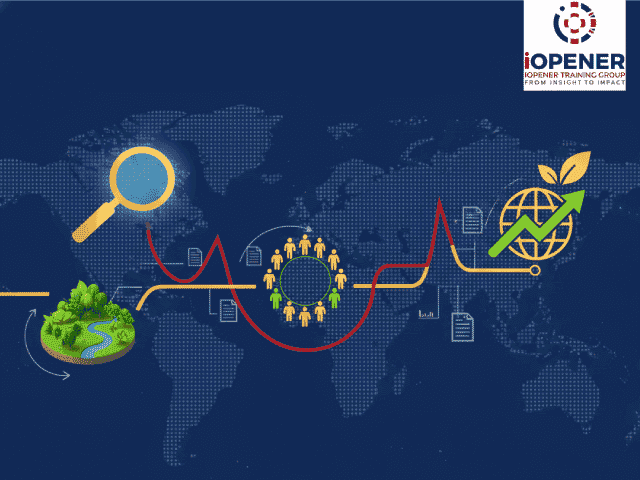
Mastering SEA and ESIA Sustainable Development Impact Training is a comprehensive professional program designed to strengthen expertise in strategic environmental assessment and environmental and social impact assessment within sustainable development frameworks. The course addresses the growing demand for robust impact assessment processes aligned with national regulations and international environmental standards. Participants gain structured knowledge of impact assessment methodologies, sustainability risk analysis, and mitigation planning. The program integrates environmental impact assessment practices with social safeguard policies and sustainable infrastructure planning. It emphasizes the importance of evidence-based decision-making in public policy and large-scale development projects. The course explores cumulative impact analysis, stakeholder engagement strategies, and environmental management plans. It also develops competence in monitoring, reporting, and compliance auditing throughout the project lifecycle. Participants will understand how strategic environmental assessment influences policy, plan, and program development. By the end of the training, professionals will be able to design, evaluate, and manage SEA and ESIA processes that promote sustainable development impact and long-term environmental protection.
Sustainable development requires structured mechanisms to evaluate environmental and social consequences before implementing policies or projects. Strategic environmental assessment and environmental and social impact assessment have become essential tools for responsible governance and infrastructure planning. Mastering SEA and ESIA Sustainable Development Impact Training provides a systematic framework for conducting impact assessment studies in compliance with regulatory requirements. The course explains the distinction between project-level assessment and strategic-level evaluation. It highlights how environmental risk assessment supports sustainable investment decisions and reduces long-term liabilities. Participants will explore baseline data collection, impact prediction models, and mitigation hierarchy principles. The program examines public consultation processes and stakeholder participation mechanisms. It also addresses environmental compliance monitoring and performance auditing. The scope of the training extends from policy screening and scoping to impact evaluation, reporting, and post-implementation monitoring within sustainable development initiatives.
Participants will achieve the following objectives by the Mastering SEA and ESIA Sustainable Development Impact Training course:
This Mastering SEA and ESIA Sustainable Development Impact Training program targets a professional audience seeking to improve knowledge and skills:
Thiscourse is available in different durations: 1 week (intensive training), 2 weeks (moderate pace with additional practice sessions), or 3 weeks (a comprehensive learning experience). The course can be attended in person or online, depending on the trainee's preference.
This course is delivered by expert trainers worldwide, bringing global experience and best practices. They possess extensive backgrounds in environmental governance, impact assessment consulting, sustainable infrastructure planning, and regulatory compliance.
1- Who should attend this course? Professionals engaged in environmental assessment, policy planning, sustainability management, and infrastructure development.
2- What are the key benefits of this training? Enhanced impact evaluation skills, improved compliance management, and stronger sustainable development integration.
3—Do participants receive a certificate? Yes, upon successful completion, all participants will receive a professional certification.
4- What language is the course delivered in? English and Arabic.
5- Can I attend online? Yes, you can attend in person, online, or in-house at your company.
Mastering SEA and ESIA Sustainable Development Impact Training provides a structured framework for managing environmental and social impact processes effectively. The program integrates strategic assessment, mitigation planning, compliance monitoring, and sustainability governance. Participants develop practical competencies in impact evaluation and environmental risk management. The course supports responsible development planning and long-term environmental protection goals. It empowers professionals to lead impact assessment initiatives with confidence, accountability, and measurable sustainable outcomes.