
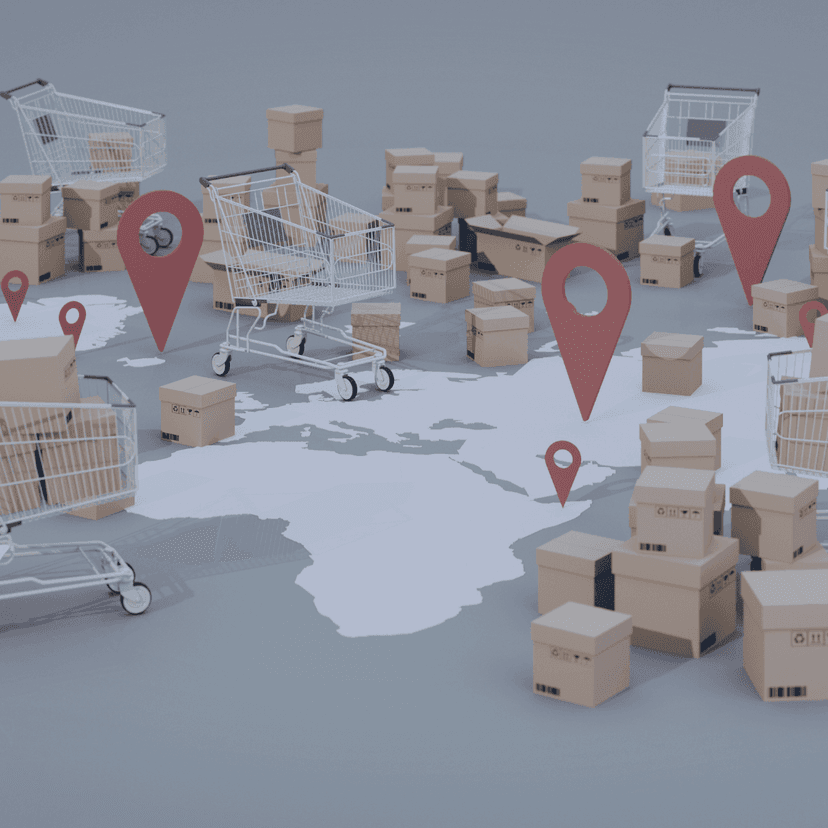
AI for Supply Chain Forecasting is a strategic training program designed to empower professionals with advanced predictive capabilities in modern supply chain environments. The course emphasizes the importance of data-driven forecasting in enhancing corporate governance, operational transparency, and strategic planning. It enables organizations to improve demand planning accuracy while reducing uncertainty and operational risks. Participants will explore how artificial intelligence supports leadership decision-making through real-time analytics and predictive insights. The program highlights accountability by integrating forecasting models into enterprise performance frameworks. It strengthens governance by aligning supply chain strategies with organizational objectives and compliance standards. The course also addresses the role of AI in enhancing resilience and agility in global supply networks. Through structured methodologies, participants will gain the ability to interpret complex data and transform it into actionable insights. Ultimately, this program delivers a comprehensive approach to improving strategic decision-making, operational efficiency, and sustainable business performance.
AI for Supply Chain Forecasting is designed to provide professionals with a structured understanding of how artificial intelligence enhances forecasting accuracy and operational efficiency. The course focuses on the integration of predictive analytics within supply chain management frameworks to support strategic planning and risk mitigation. Participants will learn how to apply AI-driven models to improve demand forecasting, inventory optimization, and logistics planning. The program emphasizes practical relevance by linking forecasting techniques with real-world business scenarios and performance outcomes. It introduces modern tools and methodologies used in advanced supply chain analytics. The learning approach combines conceptual understanding with applied techniques to ensure immediate workplace relevance. Participants will also explore governance structures that support data integrity and forecasting accountability. The course highlights the importance of aligning forecasting strategies with organizational goals and regulatory requirements. By the end of the program, participants will be equipped with the knowledge to implement intelligent forecasting systems that enhance decision-making and operational excellence.
Participants will achieve the following objectives by this course:
• Develop advanced knowledge of AI-driven supply chain forecasting methodologies and applications.
• Analyze demand patterns using predictive analytics and machine learning techniques.
• Apply forecasting models to improve inventory planning and reduce operational inefficiencies.
• Evaluate forecasting accuracy using performance metrics and continuous improvement frameworks.
• Integrate AI forecasting tools within enterprise resource planning systems effectively.
• Strengthen decision-making through data-driven insights and predictive intelligence.
• Implement governance practices ensuring data accuracy and compliance in forecasting processes.
• Identify risks within supply chain forecasting and develop mitigation strategies.
• Optimize supply chain operations through intelligent forecasting and scenario analysis.
• Lead strategic initiatives that align forecasting systems with organizational performance objectives.
This program targets a professional audience seeking to improve knowledge and skills:
• Supply chain managers aiming to enhance forecasting accuracy and operational performance.
• Logistics professionals seeking advanced tools for demand planning and distribution optimization.
• Operations managers responsible for inventory control and production planning strategies.
• Data analysts working with predictive models and supply chain performance metrics.
• Procurement specialists involved in demand forecasting and supplier planning.
• Business leaders seeking to integrate AI into strategic decision-making processes.
• Consultants supporting digital transformation in supply chain environments.
• Introduction to supply chain forecasting concepts and importance
• Overview of artificial intelligence in business operations
• Types of forecasting models in supply chains
• Role of data in predictive analytics
• Understanding demand variability and uncertainty
• Key forecasting challenges in global supply chains
• Introduction to machine learning fundamentals
• Data collection and preprocessing techniques
• Supervised and unsupervised learning applications
• Time series forecasting techniques
• Regression models for demand prediction
• Neural networks in supply chain forecasting
• Forecast accuracy measurement methods
• Scenario analysis and sensitivity testing
• Demand segmentation strategies
• Integrating external data sources into forecasting
• Overview of AI-powered forecasting platforms
• Implementing forecasting software solutions
• Data visualization for supply chain insights
• Automation in demand planning processes
• Cloud-based forecasting systems
• Integration with enterprise systems
• Real-time analytics for decision-making
• Enhancing collaboration through digital tools
• Identifying forecasting risks and uncertainties
• Developing risk mitigation strategies
• Governance frameworks for data management
• Ensuring data quality and compliance
• Ethical considerations in AI forecasting
• Performance monitoring and reporting systems
• Aligning forecasting with business objectives
• Continuous improvement in forecasting processes
• Designing AI-driven forecasting strategies
• Aligning forecasting with organizational goals
• Change management in digital transformation
• Measuring ROI of forecasting initiatives
• Building resilient supply chain systems
• Case studies in AI forecasting success
• Strategic decision-making using predictive insights
• Future trends in supply chain forecasting
This course is available in different durations: 1 week (intensive training), 2 weeks (moderate pace with additional practice sessions), or 3 weeks (a comprehensive learning experience). The course can be attended in person or online, depending on the trainee's preference.
This course is delivered by expert trainers worldwide, bringing global experience and best practices.
1- Who should attend this course?
2- What are the key benefits of this training?
3- Do participants receive a certificate? Yes, upon successful completion, all participants will receive a professional certification.
4- What language is the course delivered in? English and Arabic.
5- Can I attend online? Yes, you can attend in person, online, or in-house at your company.
This course equips professionals with advanced capabilities in AI-driven supply chain forecasting and decision-making. It strengthens governance by improving transparency, accountability, and data accuracy. Participants gain the ability to align forecasting strategies with organizational goals. The program enhances operational efficiency through predictive insights and risk management. Ultimately, it supports sustainable business growth through strategic and intelligent supply chain leadership.