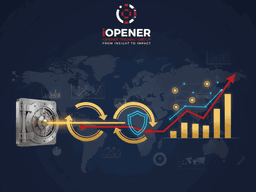
Fintech Integration for Traditional Banks is a strategic executive program designed to support financial institutions in adopting innovative financial technology solutions. The course examines digital transformation strategies that align fintech capabilities with legacy banking systems. Participants explore integration models involving open banking, application programming interfaces, and digital payment platforms. The program analyzes regulatory compliance considerations linked to fintech partnerships. It addresses cybersecurity frameworks, data governance, and operational risk management in technology-driven environments. Participants evaluate core banking modernization initiatives and cloud-based infrastructure models. The course connects fintech adoption with enhanced customer experience and operational efficiency. It highlights strategic collaboration models between banks and fintech startups. By completion, professionals gain structured methodologies to implement fintech integration while preserving regulatory stability and institutional resilience.
Traditional banks operate within highly regulated environments while facing competitive disruption from fintech innovators. Fintech Integration for Traditional Banks provides a structured roadmap to bridge legacy systems with emerging digital financial technologies. The course analyzes digital banking transformation frameworks and fintech ecosystem dynamics. Participants examine open banking architectures, digital wallets, and payment innovation platforms. The program evaluates risk management implications associated with third-party technology integration. It emphasizes governance controls, compliance standards, and cybersecurity safeguards. Participants assess modernization of core banking systems to support agile fintech deployment. The course integrates strategic planning with technology-driven growth models. Its scope enables banking leaders to implement scalable fintech solutions aligned with regulatory and operational requirements.
Participants will achieve the following objectives by the Fintech Integration for Traditional Banks course:
This Fintech Integration for Traditional Banks program targets a professional audience seeking to improve knowledge and skills:
Thiscourse is available in different durations: 1 week (intensive training), 2 weeks (moderate pace with additional practice sessions), or 3 weeks (a comprehensive learning experience). The course can be attended in person or online, depending on the trainee's preference.
This course is delivered by expert trainers worldwide, bringing global experience and best practices. They combine expertise in digital banking transformation, fintech strategy advisory, regulatory compliance, cybersecurity governance, and core banking modernization within international financial institutions.
1- Who should attend this course? Banking executives, digital transformation leaders, compliance officers, technology managers, and fintech partnership specialists.
2- What are the key benefits of this training? Stronger fintech integration capability, enhanced regulatory compliance, improved digital infrastructure resilience, and sustainable competitive advantage.
3—Do participants receive a certificate? Yes, upon successful completion, all participants will receive a professional certification.
4- What language is the course delivered in? English and Arabic.
5- Can I attend online? Yes, you can attend in person, online, or in-house at your company.
Fintech Integration for Traditional Banks equips financial institutions with structured methodologies to modernize operations through financial technology. The program integrates digital innovation with regulatory compliance and governance oversight. Participants gain tools to manage risk while accelerating digital transformation. The course strengthens institutional resilience in competitive fintech ecosystems. It empowers banks to evolve sustainably within rapidly changing digital financial markets.